

Mag Flow Meter Sizing Guide: Getting Pipe Diameter and Flow Range Right
Getting the sizing right on a mag flow meter is one of the most common sticking points for buyers who are otherwise confident on the technology itself. Order the wrong size and you’ll either lose accuracy at low flows or end up with a meter that doesn’t fit your pipe run cleanly. Here’s how to work through it properly.
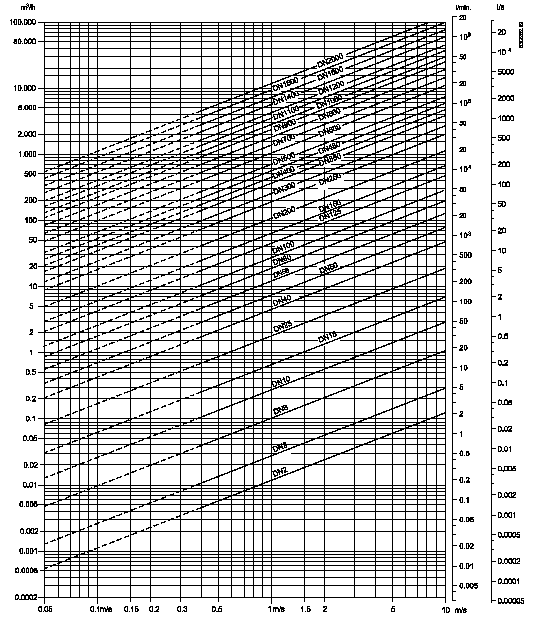
Start with your Actual Flow Range, Not just Pipe Diameter
It’s tempting to simply match the meter’s line size to the existing pipe diameter and move on. The better approach is to size the meter to your expected minimum, normal, and maximum flow rates first, then check where that flow range sits within the meter’s accurate operating window. A meter sized purely to pipe diameter can end up running at the low end of its range for most of its operating life, where accuracy typically degrades.
When a Reduced-Bore Meter Makes Sense
If your actual flow rate is low relative to the existing pipe’s diameter, a reduced-bore mag meter — smaller than the surrounding pipe, fitted with reducing pipe sections either side — lifts fluid velocity into a range where the meter reads more accurately. This is a common and well-proven approach on oversized legacy pipework where replacing the whole pipe run isn’t practical or necessary.
What to Have Ready Before You Order
- Internal pipe diameter at the installation point
- Expected minimum, normal, and maximum flow rates
- Fluid conductivity (mag meters need a minimum conductivity threshold to read accurately)
- Process pressure and temperature
- Available straight pipe run upstream and downstream
Having these figures ready before you contact a supplier turns sizing into a quick, accurate process rather than a back-and-forth of assumptions.
[IMAGE PLACEHOLDER — Reduced-bore mag flow meter fitted with reducing pipe sections either side]
BES Flowmeters Sizing Support
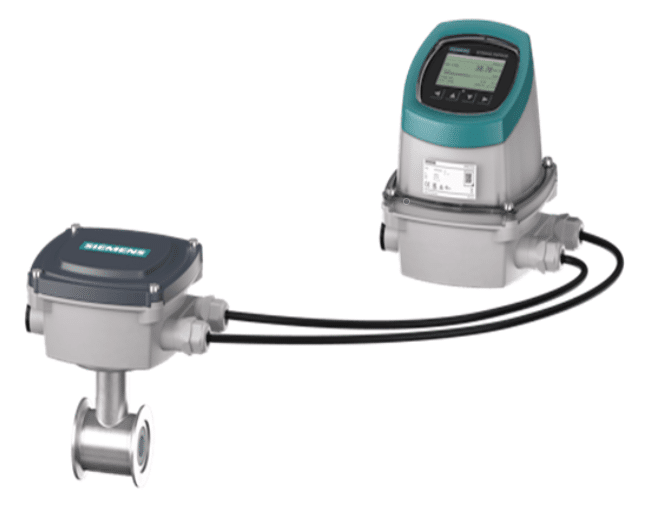
BES Flowmeters can help size the right model from our electromagnetic flow meter range against your actual pipe and flow data, including Siemens SITRANS F M models across a wide range of line sizes. Send through your pipe diameter and flow range and our team will confirm the right fit before you order.
Frequently Asked Questions
What happens if a mag flow meter is oversized for the pipe?
An oversized meter run at a low percentage of its full-scale flow range loses accuracy at the low end, since the velocity signal becomes weaker relative to noise. It’s generally better to size a meter to the expected normal operating flow rather than only the pipe’s nominal diameter.
Does pipe diameter always match the flow meter’s line size?
Not necessarily. Many sites use a reduced-bore mag meter — smaller than the surrounding pipe — to lift velocity into a more accurate measurement range when the actual flow rate is low relative to the existing pipe diameter.
What information do I need before sizing a mag flow meter?
At minimum: the pipe’s internal diameter, the expected minimum, normal, and maximum flow rates, the fluid’s conductivity, and the process pressure and temperature. Having these on hand makes sizing straightforward and avoids under- or over-specifying the meter.